
Mental health and the case for prevention
Dr Alex George, a former UK Youth Mental Health Ambassador in the Department for Education, spoke of the challenges of getting policymakers to recognise the importance of tackling mental health issues in young people and of the economic benefits of early intervention.
He said: “One in five young people now has a probable mental health disorder – up from one in nine back in 2017. And 75% of them are experiencing a worsening of their condition because they’re waiting for treatment – that’s roughly six Wembley stadiums full of children needing help who aren’t getting it.”
Dr George argued that we should refocus support towards these children. At present only 7% of the NHS budget goes to CAMHS (Children and Adolescent Mental Health Services), despite under-18s representing 21% of the population. He said: “When you focus on young people and you build their mental fitness, you build up their resilience and prevent so many problems later in life, because the vast majority of mental health illness starts before the age of 14.”
Dr George is a big supporter of community-based mental health hubs for young people. In a world where “third spaces” for children – safe places to socialise outside the home and school – are disappearing, these hubs can provide support and be staffed by experts who can direct young people to specialist help.
Overcoming barriers to change
Evidence in other countries has shown they can be cost-effective ways to support and help young people, but convincing a series of incumbents at 10 Downing Street has not been easy.
Just before Boris Johnson was replaced – and after months of work bringing together NHS England and other stakeholders – a programme was finally agreed to spend £200m on 200 hubs. Dr George said: “Three weeks after Boris departed I sent an email to a contact at Downing Street, asking if we could talk about the hubs, and the answer was literally: ‘What hubs?’ We had to start all over again.”
He says Sir Keir Starmer promised action before he was Prime Minister and even put mental health hubs on the manifesto. But they were never heard of again. He called for a cross-party approach to the problem and argued that mental health care skills should be part of the national curriculum.
The power of human connection
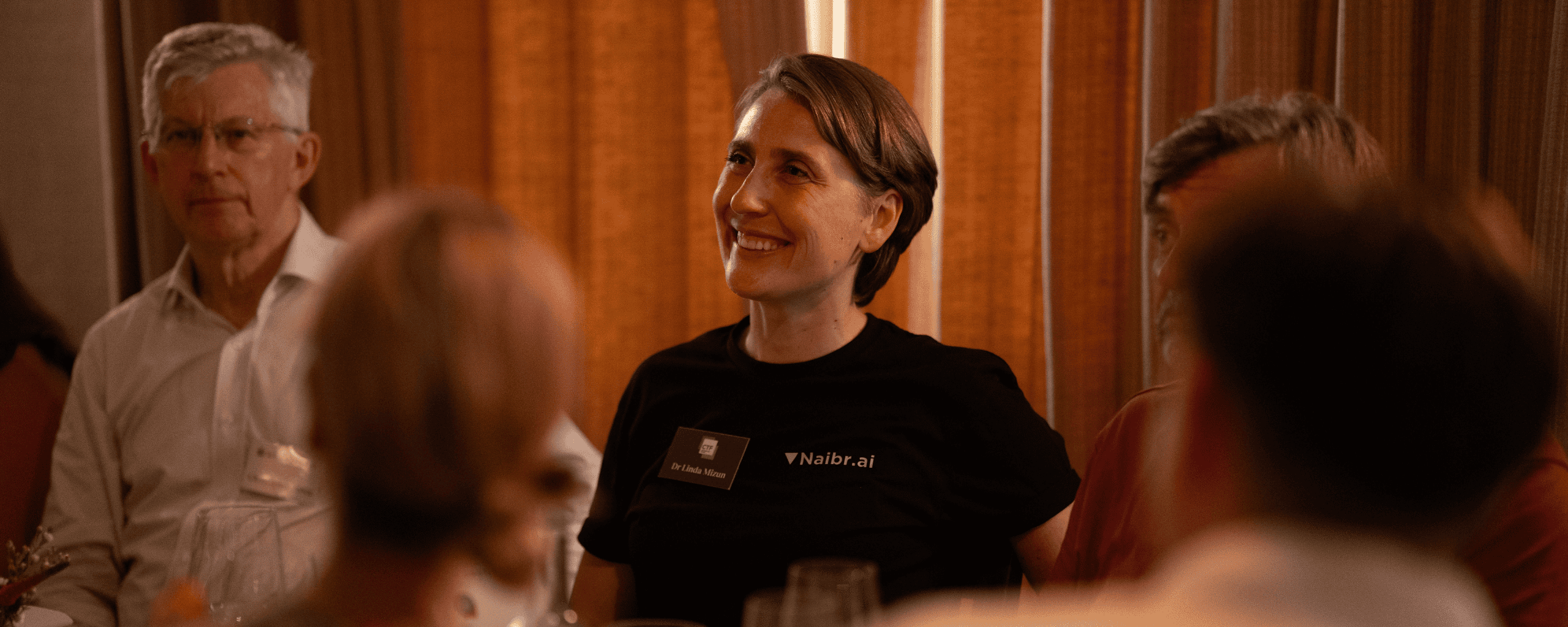
Dr Linda Mizun is another expert who believes there are more effective ways to provide care and reduce health costs. She is co-founder of the Neighbourhood Health Network, which is designed to build community support networks around patients with chronic disease. The project is rooted in the premise that loneliness is a major factor in poor recovery rates.
She gave the example of one participant to illustrate the model. “What we change is social connection. So take a patient like Jeff, who’s in hospital right now, having surgery, and has lost his wife. He logs into the neighbour app with his postcode and is immediately introduced to a helper and neighbours who can cheer him on to get him through his surgery.
“David also lost his wife, and through the coaching he and Jeff, who are neighbours, have actually became good friends. That connection continues and should make Jeff’s recovery more effective.”
She added: “I’m an emergency doctor. I’m supposed to be saving lives, but 80% of the night-time presentations I see are associated at their root with someone needing a hug. In the West, particularly, we’re seeing a pandemic of loneliness, and that’s leading to chronic diseases. You don’t need millions of pounds – you need neighbours.”
Evidence of impact
Weatherbys has supported one of the Neighbourhood Health Network projects in Wellingborough, and Dr Mizun said that already, after two months, 14 people with diabetes have reversed their symptoms and come off medication.
Independent assessment of the projects – there are 110 across the UK – shows that there is a £600,000 economic benefit for every 400 participants referred to these projects by GPs and other health professionals. There is a 44% reduction in GP presentations, a 30% reduction in HbA1c diabetes markers, a 16% reduction in major vascular events and a 78% improvement in anxiety and depression.
Dr Mizun said: “Supporters can finance one of these neighbourhoods for just £10,000.” She has now created a model, with 8% of the revenue being returned to project funders. This is designed to encourage investment in and expansion of the programme.
Creating The Future: Turning ideas into action
Creating The Future was launched by Weatherbys Private Bank in 2018 to explore some of the world’s most challenging and exciting issues, including the environment, AI, security, education and health.
Dr George and Dr Mizun both spoke at the fifth Creating The Future conference, held last year at the Science Museum in London. This roundtable dinner for Weatherbys private banking clients interested in their work and supporting it was an opportunity for an update on their initiatives.
Weatherbys Banking Group Chairman, Roger Weatherby, encouraged guests to “go away and have conversations about the discussions we’ve had today”. He said: “Talk and think and come up with ideas of how we all can help – not just with writing a cheque but with advice and introductions.”